Mattress Cleaning in Your Home: A Practical, SEO-Friendly Approach to Fresher Sleep
Why Mattress Cleaning Matters for Every Bedroom

Mattress cleaning is one of those household tasks people often delay, yet it has a major impact on comfort, hygiene, and sleep quality. Your mattress collects dust, dead skin cells, sweat, oils, and tiny particles from the air every single day. Over time, these build up and can affect not just how your bed looks, but how it smells and feels too.
Many homeowners focus on washing sheets and pillowcases, but the mattress underneath is just as important. Regular mattress cleaning can help reduce allergens, improve freshness, and extend the life of the mattress. If you want a cleaner sleeping environment, paying attention to the mattress itself is a smart place to start.
Whether you live in a busy household, have pets, or simply want a more hygienic bedroom, keeping your bed in good condition should be part of your routine. With the right cleaning methods, mattress cleaning can be simple, effective, and surprisingly satisfying.
What Builds Up Inside a Mattress?

A mattress may look clean on the surface, but inside and around the fabric there can be a hidden mix of contaminants. Dust mites, skin flakes, body oils, moisture, and general household dust all settle into the layers over time. This is why mattress cleaning is more than just a cosmetic task.
Even if you change bedding regularly, your mattress still absorbs sweat and traps fine debris. In humid environments, moisture can linger longer and create an environment where odors and stains become more noticeable. For people with allergies or asthma, regular mattress cleaning may also help reduce triggers in the bedroom.
Pet owners often notice extra fur, dander, and occasional accidents on mattresses. Families with children may deal with spills, bedwetting, or snack crumbs. No matter the source, dealing with buildup early makes mattress cleaning easier and helps prevent long-term damage.
Common Signs Your Mattress Needs Attention
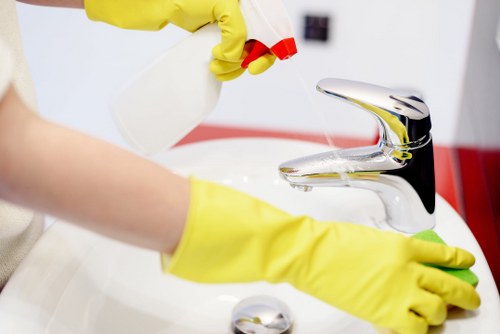
If you are not sure when to clean a mattress, the answer is often hidden in plain sight. A stale smell, visible stains, or frequent allergy symptoms can all point to a mattress that needs attention. In many cases, mattress cleaning should happen before the mattress starts to look obviously dirty.
Other signs include a musty odor after making the bed, discoloration from sweat, or a slightly rough texture caused by accumulated dust. Even if the bed still seems comfortable, a deeper mattress cleaning routine can refresh the sleeping surface and improve the overall bedroom environment.
Watch for these common signs:
- Yellow or brown stains on the surface
- Persistent odors despite clean bedding
- More sneezing or congestion in the morning
- Visible dust or debris near seams and edges
- Fur, lint, or crumbs trapped in the fabric
Benefits of Regular Mattress Cleaning
Keeping up with mattress cleaning offers benefits that go beyond appearance. A cleaner mattress can help make the bedroom feel fresher, support better sleep, and create a more pleasant place to relax. For many households, that added sense of comfort is reason enough to make mattress care a priority.
One of the biggest advantages is odor control. Sweat and moisture can linger inside bedding layers, especially during warm weather. Regular mattress cleaning helps reduce those smells and keeps the sleeping area smelling cleaner for longer. It can also make vacuuming and changing sheets feel more effective.
Another important benefit is longevity. When dust and grime are left to accumulate, they may wear down fabric and padding faster. A consistent mattress cleaning routine can help preserve the structure of the bed and protect your investment over time.
Health and Comfort Advantages
Clean sleep surfaces can be especially helpful for anyone sensitive to allergens. Dust mites and airborne particles often collect in bedding, and mattress cleaning can reduce the amount of buildup that settles into the bed. This may contribute to a more comfortable night’s sleep.
Comfort matters too. A fresh mattress feels more inviting, and that can improve the overall sleep experience. When your bed feels clean, it is easier to relax and settle down at night. That is why mattress cleaning services and home care routines are often worth the effort.
How Often Should You Clean a Mattress?

The ideal frequency for mattress cleaning depends on your lifestyle, bedroom conditions, and whether anyone in the home has allergies or asthma. As a general rule, deep mattress cleaning every few months is a good habit, while lighter maintenance should happen more often.
Vacuuming the mattress, airing it out, and treating small stains quickly can prevent buildup from becoming a bigger issue. If you have pets, children, or frequent spills, you may need mattress cleaning more often. Homes in humid climates may also benefit from a stricter routine.
A simple cleaning schedule can include:
- Weekly bedding changes
- Monthly vacuuming of the mattress surface
- Spot treatment for stains as needed
- Seasonal deep mattress cleaning
Factors That May Increase Cleaning Frequency
Some mattresses need more care than others. For example, a mattress used daily by a child, shared by pets, or exposed to sweat and moisture may require more frequent mattress cleaning. If you notice odors or visible marks, do not wait for your next scheduled cleaning.
Effective Mattress Cleaning Methods You Can Use at Home

There are several effective ways to approach mattress cleaning at home, and the right method often depends on the type of stain or buildup you are dealing with. The good news is that many cleaning tasks can be handled using common household items and a few careful steps.
Before applying any product, always check the care label if available. Some mattresses have specific cleaning instructions, especially memory foam and specialty materials. Using too much liquid can damage internal layers, so mattress cleaning should always be done carefully and with minimal moisture.
Here are some common mattress cleaning methods:
- Vacuuming to remove dust and debris
- Spot cleaning stains with mild soap and water
- Using baking soda to neutralize odors
- Steam treatment where appropriate
- Professional deep cleaning for stubborn buildup
1. Vacuum the Mattress Thoroughly
Start by removing all bedding and vacuuming the entire surface. Pay close attention to seams, edges, and tufts where dust and debris often settle. This step is essential for proper mattress cleaning because it removes loose dirt before you treat stains.
2. Treat Stains Promptly
For small stains, use a lightly damp cloth with a gentle cleaning solution. Avoid soaking the mattress. Instead, blot carefully and repeat as needed. Quick stain treatment is one of the most effective parts of mattress cleaning, especially if the stain is fresh.
3. Deodorize with Baking Soda
Sprinkling baking soda over the mattress can help absorb moisture and reduce odors. Leave it for several hours, then vacuum it up completely. This simple step can make a noticeable difference in mattress freshness.
Step-by-Step Mattress Cleaning Routine
If you want a repeatable process, following a clear routine makes mattress cleaning easier and more consistent. You do not need a lot of tools, but you do need patience and attention to detail. A methodical approach helps you avoid over-wetting the mattress while still getting good results.
Use this basic routine:
- Strip the bed and wash all bedding.
- Vacuum the mattress surface slowly and carefully.
- Inspect for stains, odors, or damage.
- Spot clean dirty areas with a minimal amount of solution.
- Apply baking soda for odor control if needed.
- Let the mattress air dry fully before remaking the bed.
Drying is extremely important. If moisture remains trapped in the mattress, it can lead to unpleasant odors or damage. Always allow enough time for complete drying, especially after deeper mattress cleaning.
Helpful Tips for Better Results
Use a fan or open windows to help airflow. Avoid sleeping on the mattress until it is fully dry. If possible, rotate the mattress occasionally to encourage even wear and better long-term performance.
Dealing With Stains During Mattress Cleaning
Stains are one of the most common reasons people seek mattress cleaning. Sweat, urine, coffee, makeup, blood, and pet accidents can all leave marks on the fabric. Each stain type may need slightly different treatment, but the goal is always the same: remove the stain without saturating the mattress.
Fresh stains are usually easier to handle than old ones. Blot the area instead of rubbing it, since rubbing can spread the stain deeper into the fabric. In many cases, mattress cleaning works best when the response is immediate and gentle.
For stubborn stains, keep these principles in mind:
- Use as little liquid as possible
- Test cleaning solutions on a small area first
- Blot from the outside inward
- Allow adequate drying time
Blood Stains
Cold water is usually better for blood stains than warm water, which can set the stain. Dab carefully and repeat gently until the mark begins to lift. This type of mattress cleaning often requires patience more than force.
Urine Stains
Urine accidents should be cleaned quickly to prevent odor from settling in. Absorb excess moisture first, then use a suitable cleaner and follow with deodorizing if needed. A thorough mattress cleaning approach can help reduce lingering smells and improve hygiene.
Sweat and Yellowing
Sweat stains often appear as yellow patches over time. These can be treated with a mild cleaning mixture and regular deodorizing. Keeping up with routine mattress cleaning can minimize the chance of deep discoloration.
Can Steam Help with Mattress Cleaning?
Steam cleaning is often discussed as a possible way to freshen mattresses, but it should be used carefully. Some mattresses respond well to controlled steam treatment, while others, especially memory foam, may not tolerate heat and moisture well. Always check manufacturer instructions before using steam as part of mattress cleaning.
When done correctly, steam can help loosen grime and reduce odors on the surface. However, too much heat or moisture can cause internal issues. That is why many people prefer a combination of vacuuming, spot treatment, and odor control for regular mattress cleaning.
If you are unsure whether steam is appropriate, it may be better to choose safer low-moisture methods or seek professional help. The best mattress cleaning solution is the one that protects the material while delivering noticeable results.
When to Avoid Steam
Avoid steam on mattresses with delicate foam layers, unknown materials, or visible damage. If the mattress already has moisture problems, steam may make the situation worse rather than better.
Why Professional Mattress Cleaning Can Be Worth It
Although many people handle mattress cleaning at home, professional services can be a strong option when stains are deep, odors linger, or allergies are a concern. Professionals often use specialized equipment designed to clean more thoroughly while controlling moisture levels.
Professional mattress cleaning may also be helpful for older mattresses that need extra care. If you have tried home methods without success, a trained service can assess the condition of the bed and recommend the most appropriate solution. This can save time and deliver better results than repeated DIY attempts.
Professional help may be useful when:
- There are deep or old stains
- Odors keep returning after cleaning
- The mattress has heavy allergy-related buildup
- You want a faster and more thorough result
What to Expect From a Professional Service
Professional mattress cleaning typically includes inspection, vacuuming, stain treatment, deodorizing, and controlled drying steps. Some services may also offer additional sanitation treatments. If you want a cleaner, fresher bed without the guesswork, it can be a practical investment.
How to Keep a Mattress Clean Between Deep Cleanings
Once your mattress is clean, the next step is keeping it that way. Good habits can reduce how often deep mattress cleaning is needed and help maintain freshness for longer. A few simple prevention steps go a long way.
Using a mattress protector is one of the smartest choices you can make. It creates a barrier against spills, sweat, and dust, making future mattress cleaning easier. Regular sheet changes also help reduce buildup and keep the sleep surface cleaner.
Try these maintenance habits:
- Use a waterproof or breathable mattress protector
- Wash sheets and pillowcases weekly
- Vacuum the mattress regularly
- Keep the bedroom well ventilated
- Address spills immediately
Rotate the Mattress if Recommended
Some mattresses benefit from periodic rotation to promote even wear. This does not replace mattress cleaning, but it can help the mattress last longer and feel more balanced over time.
Mattress Cleaning for Allergy Awareness and Better Sleep
For allergy-prone households, mattress cleaning can be especially important. Dust mites, pollen, pet dander, and other microscopic particles often settle in bedding. Regular cleaning can help reduce the amount of material that accumulates over time.
Keeping the sleeping space cleaner may help support better breathing and a more restful night. If you often wake up congested or itchy, mattress cleaning may be one of several helpful changes to make in the bedroom. Paired with clean bedding and improved airflow, it can create a more comfortable sleep environment.
Additional allergy-friendly practices include:
- Using allergen-resistant bedding
- Keeping pets off the bed if possible
- Reducing humidity in the bedroom
- Cleaning surrounding surfaces regularly
Building a Cleaner Sleep Environment
Mattress cleaning works best as part of a larger bedroom routine. A clean floor, dust-free furniture, and fresh bedding all contribute to a more pleasant sleeping area. When the room feels cleaner overall, the mattress stays cleaner too.
Final Thoughts on Mattress Cleaning
Mattress cleaning is a practical, worthwhile habit that supports a fresher bedroom, better comfort, and longer mattress life. Whether you prefer simple home methods or professional services, the key is consistency. A little care now can help prevent bigger problems later.
If your bed has stains, odors, or buildup that has been ignored for too long, now is the right time to act. Start with vacuuming, spot treating, and deodorizing, then build a regular routine that fits your home. For tougher issues, book your service now and let experienced help restore freshness.
Clean sleep matters. If you want a healthier, more inviting bedroom, contact us today to discuss the best mattress cleaning solution for your needs and take the first step toward a better night’s rest.