Upholstery Cleaning: Refresh, Protect, and Extend the Life of Your Furniture
Upholstery cleaning is one of the most effective ways to keep your home or workplace looking fresh, healthy, and inviting. Sofas, armchairs, ottomans, dining chairs, and office seating all collect dust, body oils, crumbs, pet dander, and everyday grime over time. Without regular upholstery cleaning, fabrics can start to look dull, smell stale, and wear out faster than they should. That is why upholstery cleaning matters not only for appearance, but also for comfort, hygiene, and long-term value.
For many households and businesses, furniture is a major investment. Whether your seating is made of microfiber, cotton, linen, leather, velvet, or synthetic blends, proper upholstery cleaning helps preserve the texture, color, and structure of the material. It also supports a cleaner indoor environment by reducing allergens and pollutants that settle deep into fibers. If you want your furniture to last longer and look better, upholstery cleaning should be part of your regular maintenance routine.
From spot treatment and steam extraction to professional fabric protection, the right approach can make a big difference. In this article, we’ll explore the benefits of upholstery cleaning, how the process works, common mistakes to avoid, and smart ways to care for different fabric types. If you are looking for practical, searchable, and reader-friendly information about upholstery cleaning, you are in the right place.
Why Upholstery Cleaning Matters
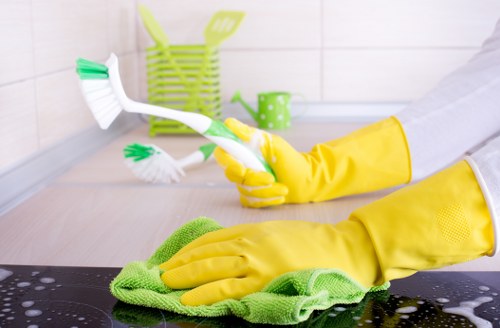
Upholstery cleaning does far more than improve the look of a sofa or chair. Over time, furniture fibers trap dust, pollen, pet hair, bacteria, food particles, and oils from skin contact. These contaminants build up gradually, often without being noticed at first. However, as the buildup increases, furniture can become a source of odors, allergens, and premature fabric damage. Regular upholstery cleaning helps remove these hidden pollutants before they become a bigger problem.
Another important reason to invest in upholstery cleaning is to protect your furniture from long-term wear. Dirt acts like sandpaper on fabric fibers, causing them to weaken and break down with repeated use. When you clean upholstery properly, you reduce friction and help maintain the original texture of the material. This can extend the lifespan of your furniture and delay the need for costly replacements.
Clean upholstery also improves the overall atmosphere of a room. Fresh, well-maintained furniture makes a home feel more polished and comfortable. In offices, waiting rooms, restaurants, and other commercial spaces, it can strengthen the impression you make on guests and clients. In other words, upholstery cleaning supports both health and presentation, which makes it a practical choice for nearly every setting.
Common Upholstery Problems Homeowners Face

Most people notice upholstery issues only after stains, odors, or fading become visible. But there are many other problems that develop quietly over time. One of the most common is dust and debris trapped deep in the fabric. Even if a couch looks clean on the surface, particles can settle below the top layer and build up inside the cushions.
Another frequent issue is staining from drinks, food, makeup, ink, or pet accidents. These marks can be difficult to remove without the right upholstery cleaning methods. Some stains set quickly if they are rubbed in or treated with the wrong chemical. That is why it is important to act fast and use safe cleaning techniques suited to the fabric type.
Odor buildup is also a major concern. Fabric furniture can absorb smells from pets, smoke, cooking, moisture, and everyday use. Over time, these odors can become noticeable in the whole room. Professional upholstery cleaning is often the best way to neutralize these smells at the source rather than simply masking them.
Other signs your furniture needs attention
- Visible dirt along cushions and armrests
- Flattened or matted fabric texture
- Lingering smells after regular vacuuming
- Stains that keep returning after spot cleaning
- Increased allergy symptoms in the room
How Upholstery Cleaning Works

Upholstery cleaning usually begins with a detailed inspection of the fabric, structure, and condition of the furniture. This step matters because different materials require different cleaning methods. A technician or homeowner should identify the fabric type, check for manufacturer instructions, and test any cleaning solution in a hidden area first. This helps prevent color fading, shrinkage, or water damage.
Once the upholstery is assessed, the cleaning process often includes vacuuming, pre-treatment, stain removal, and deep cleaning. Vacuuming removes loose dirt, dust, and pet hair from the surface and seams. Pre-treatment loosens embedded grime and helps target specific stains. Then a deeper cleaning method, such as hot water extraction, low-moisture cleaning, or foam cleaning, is used to lift residue from the fibers.
Drying is just as important as cleaning. If upholstery stays wet for too long, it can develop odors or encourage mildew growth. Proper airflow, gentle heat, and careful extraction help the fabric dry efficiently. A well-executed upholstery cleaning service leaves furniture looking brighter, smelling fresher, and feeling more comfortable to use.
Typical steps in a professional upholstery cleaning process
- Fabric inspection and fiber identification
- Dry vacuuming of dust and loose debris
- Spot treatment of stains and problem areas
- Application of suitable cleaning solution
- Agitation or gentle brushing if needed
- Extraction, wiping, or controlled moisture removal
- Drying and final grooming of the fabric
Benefits of Regular Upholstery Cleaning

One of the biggest benefits of upholstery cleaning is improved indoor hygiene. Furniture is used every day, which means it naturally collects dust and debris more quickly than people realize. Regular cleaning removes these contaminants and helps create a more pleasant living environment. This is especially helpful for homes with children, pets, or anyone with allergies or respiratory sensitivity.
Upholstery cleaning can also improve the appearance of your furniture dramatically. Fabrics often become discolored due to everyday use, even when no obvious stains are present. A professional or thorough cleaning can revive the original color and texture, making old furniture look much newer. This visual improvement can refresh an entire room without the expense of replacing sofas or chairs.
There is also a financial benefit. Replacing furniture can be expensive, and in many cases, regular upholstery cleaning helps you avoid that cost for longer. By maintaining your upholstery correctly, you protect the value of your investment. It is a simple maintenance step that can save money over time while keeping your space attractive and functional.
Key advantages at a glance
- Removes deep-set dirt and allergens
- Improves fabric appearance and feel
- Eliminates or reduces unpleasant odors
- Helps preserve upholstery fibers
- Supports a cleaner indoor environment
- Can extend furniture lifespan
Different Fabric Types and Their Cleaning Needs
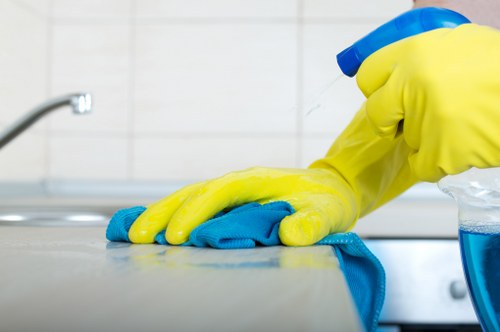
Not all furniture can be cleaned the same way. Upholstery cleaning should always be matched to the material in order to avoid damage and get the best results. Fabric type, weave, dye stability, and construction all influence the right cleaning method. Understanding these differences can help you make smarter decisions and prevent expensive mistakes.
Cotton and linen are popular for their natural look and feel, but they can absorb stains easily. These materials often need careful spot treatment and controlled moisture to avoid shrinking or water rings. Microfiber, on the other hand, tends to resist spills better and is often easier to clean. Still, it can hold onto oils and may need specialized cleaning solutions to restore its softness.
Leather upholstery requires a different approach altogether. It should not be soaked with water or harsh chemicals. Instead, leather cleaning typically involves gentle wiping, conditioning, and products designed to preserve moisture and flexibility. Velvet, suede, and silk-like fabrics are even more delicate and often benefit from professional upholstery cleaning rather than DIY experimentation.
Fabric care considerations
- Natural fibers: May absorb moisture and stain more easily
- Synthetic fibers: Often more durable and stain resistant
- Delicate fabrics: Require low-moisture or specialist cleaning
- Leather: Needs conditioning and gentle maintenance
- Blended materials: Should be tested before treatment
DIY Upholstery Cleaning vs Professional Service
Many homeowners try to handle upholstery cleaning themselves, and for light maintenance, that can be a good option. Vacuuming regularly, blotting spills immediately, and treating small stains with an appropriate cleaner can help keep furniture in decent condition. DIY care is useful for routine upkeep, especially between deeper cleaning sessions.
However, upholstery cleaning done incorrectly can make stains worse or damage the fabric. Over-wetting is one of the most common mistakes. Too much moisture can lead to water marks, mildew, or shrinkage. Using the wrong product can also cause fading, sticky residue, or rough texture. This is why many people choose professional upholstery cleaning when the furniture is valuable, delicate, or heavily soiled.
A professional service typically has the tools and expertise to clean different fabric types safely and effectively. Specialized equipment can extract more dirt than a standard household vacuum or handheld machine. Technicians also understand how to treat stubborn stains, odors, and high-traffic areas while minimizing risk. If your upholstery is heavily used or has not been cleaned in years, professional cleaning is often the smarter choice.
When DIY may be enough
- Light dust and routine maintenance
- Fresh spills that are treated immediately
- Small marks on durable synthetic fabrics
- Furniture with clear care instructions for home cleaning
When to call a professional
- Deep stains or set-in odors
- Delicate or specialty fabrics
- Large furniture pieces with heavy use
- Signs of mold, mildew, or pet contamination
- Furniture that has never had a deep cleaning
How Often Should Upholstery Be Cleaned?
The frequency of upholstery cleaning depends on how often the furniture is used and what kind of environment it is in. In a busy family home, sofas and chairs may need attention more often than in a guest room or rarely used office. A good rule of thumb is to vacuum upholstery weekly and arrange deeper cleaning every 6 to 12 months. Homes with pets, young children, or allergy concerns may need upholstery cleaning more frequently.
Commercial spaces often require even more regular maintenance because of constant traffic. Waiting room seating, restaurant booths, and office chairs can accumulate grime quickly. In these settings, upholstery cleaning not only supports cleanliness but also helps maintain a professional image. The goal is to prevent dirt from settling deeply before it becomes harder to remove.
Sticking to a cleaning schedule is one of the easiest ways to protect your furniture. If you wait until stains are visible or odors become strong, the job becomes more difficult and sometimes more expensive. Regular maintenance keeps upholstery looking better for longer and reduces the need for aggressive cleaning methods.
Smart Upholstery Maintenance Tips
Good maintenance goes hand in hand with upholstery cleaning. Small habits can make a big difference in how long your furniture stays fresh and attractive. For example, vacuuming upholstery regularly helps remove dust before it settles deep into the fibers. Using the right attachments lets you clean seams, corners, and creases where debris often hides.
Prompt spill response is also essential. When a liquid lands on fabric, blot it gently with a clean cloth rather than rubbing. Rubbing can spread the stain and push it deeper into the upholstery. If you are using a cleaner, test it first in an inconspicuous area. This simple step can save you from discoloration or damage.
Rotating cushions, using throws, and limiting direct sunlight can also help. Sunlight may fade upholstery over time, while uneven use can cause certain areas to wear down faster than others. Prevention is always easier than repair, and these habits support better results between professional upholstery cleaning sessions.
Practical maintenance checklist
- Vacuum furniture weekly
- Blot spills immediately
- Rotate and fluff cushions regularly
- Keep pets groomed to reduce shedding
- Avoid eating messy foods on fabric seating
- Use blinds or curtains to reduce sun exposure
- Schedule deep upholstery cleaning on a routine basis
Choosing the Right Upholstery Cleaning Method
There are several upholstery cleaning methods, and the right one depends on the fabric, soil level, and goal of the cleaning. Hot water extraction is often used for durable fabrics because it removes embedded dirt effectively. Low-moisture or dry cleaning methods are useful for delicate materials that should not be saturated. Foam cleaning may work well for certain synthetic fabrics and can offer a balanced approach between deep cleaning and fast drying.
The best method is not always the most aggressive one. In fact, gentler techniques often deliver better results on sensitive materials. A method that is too strong may strip finishes, distort fibers, or leave residue behind. That is why fabric testing and proper assessment matter so much in upholstery cleaning. A tailored approach helps preserve the furniture while still delivering a deep clean.
For long-term care, consistency matters as much as technique. Even the best upholstery cleaning method cannot replace routine upkeep. When regular cleaning is combined with careful use and smart maintenance, furniture remains in better condition for longer and stays more appealing to use every day.
Why Upholstery Cleaning Supports a Healthier Space
People often think of upholstery cleaning as a cosmetic task, but it has real health benefits too. Furniture traps allergens such as dust mites, pollen, and pet dander. These particles can affect air quality and may contribute to discomfort for people with allergies or asthma. By removing these contaminants, upholstery cleaning can help make a room feel fresher and easier to breathe in.
Odor removal is another health-related benefit. Stale smells from spills, pets, or smoke can linger in fabric and make a space feel less clean, even if the surface looks tidy. Deep upholstery cleaning tackles these odors at the source instead of covering them with fragrance. That difference matters in homes, healthcare settings, hospitality spaces, and workplaces.
Clean upholstery also encourages better overall housekeeping. When furniture is fresh and cared for, the rest of the room often feels more organized and hygienic too. This creates a more pleasant environment for family members, guests, employees, and customers alike.
Frequently Overlooked Spots During Upholstery Cleaning
Some of the dirtiest parts of furniture are also the easiest to miss. The underside of cushions, seams, piping, armrests, and back corners can collect dust, crumbs, and pet hair. These areas often need extra attention during upholstery cleaning because debris tends to settle there first. If you only clean the visible surface, hidden grime can continue to build up.
Furniture legs and surrounding floor areas also matter. Dirt on nearby floors can transfer back to the upholstery, especially if seating is used daily. That is why a proper cleaning routine should include both the furniture and the immediate area around it. A cleaner room supports cleaner upholstery over time.
Attention to detail makes upholstery cleaning more effective. The more thoroughly you clean seams, edges, and hidden spots, the longer the furniture will stay fresh between deep cleans. It is a small effort that delivers noticeable results.
Final Thoughts on Upholstery Cleaning
Upholstery cleaning is one of the most valuable maintenance tasks you can do for your home or business. It improves appearance, removes dirt and allergens, reduces odors, and helps furniture last longer. Whether you handle basic upkeep yourself or choose a professional service for deeper results, the key is consistency. Clean upholstery supports a more comfortable, attractive, and healthier environment every day.
If your sofa, chairs, or other fabric furniture are starting to look tired, now is the perfect time to act. A proper upholstery cleaning can restore freshness, improve comfort, and protect your investment for the future. Contact us today to learn more about upholstery cleaning options, or book your service now to give your furniture the attention it deserves.